An Official website of the Kingdom of Saudi Arabia
The National Center for Performance Measurement (Adaa) continues to strengthen the culture of performance measurement and transparency in government work, supporting the Kingdom’s efforts to achieve global leadership in government performance, enhance service quality, and fulfill the objectives of Saudi Vision 2030.
Adaa measures the performance indicators of government entities through standardized tools designed to assess efficiency and effectiveness. The Center also issues periodic reports on progress toward strategic objectives across sectors, indicator performance levels, and initiative advancement aligned with Vision 2030, in addition to measuring beneficiary satisfaction with public services, including the full Hajj journey.
During this year’s Hajj season, Adaa is measuring 81 services provided by 18 government entities to the Guests of Allah from inside and outside the Kingdom. The Center works with a development-centered approach aimed at achieving excellence and institutional innovation by enhancing measurement methodologies and issuing recommendations based on data and performance indicators, thereby improving productivity, effectiveness, decision-making, and impact assessment across all government sectors.
Adaa explained that the purpose of the measurement is to assess pilgrims’ satisfaction with the public services provided throughout their Hajj journey, in alignment with the Kingdom’s ongoing efforts to serve the Guests of Allah and ensure continuous improvement of these services. This supports pilgrims in performing their rituals with greater ease and contributes to the Center’s broader programs aimed at improving government services through quality measurement and beneficiary feedback.
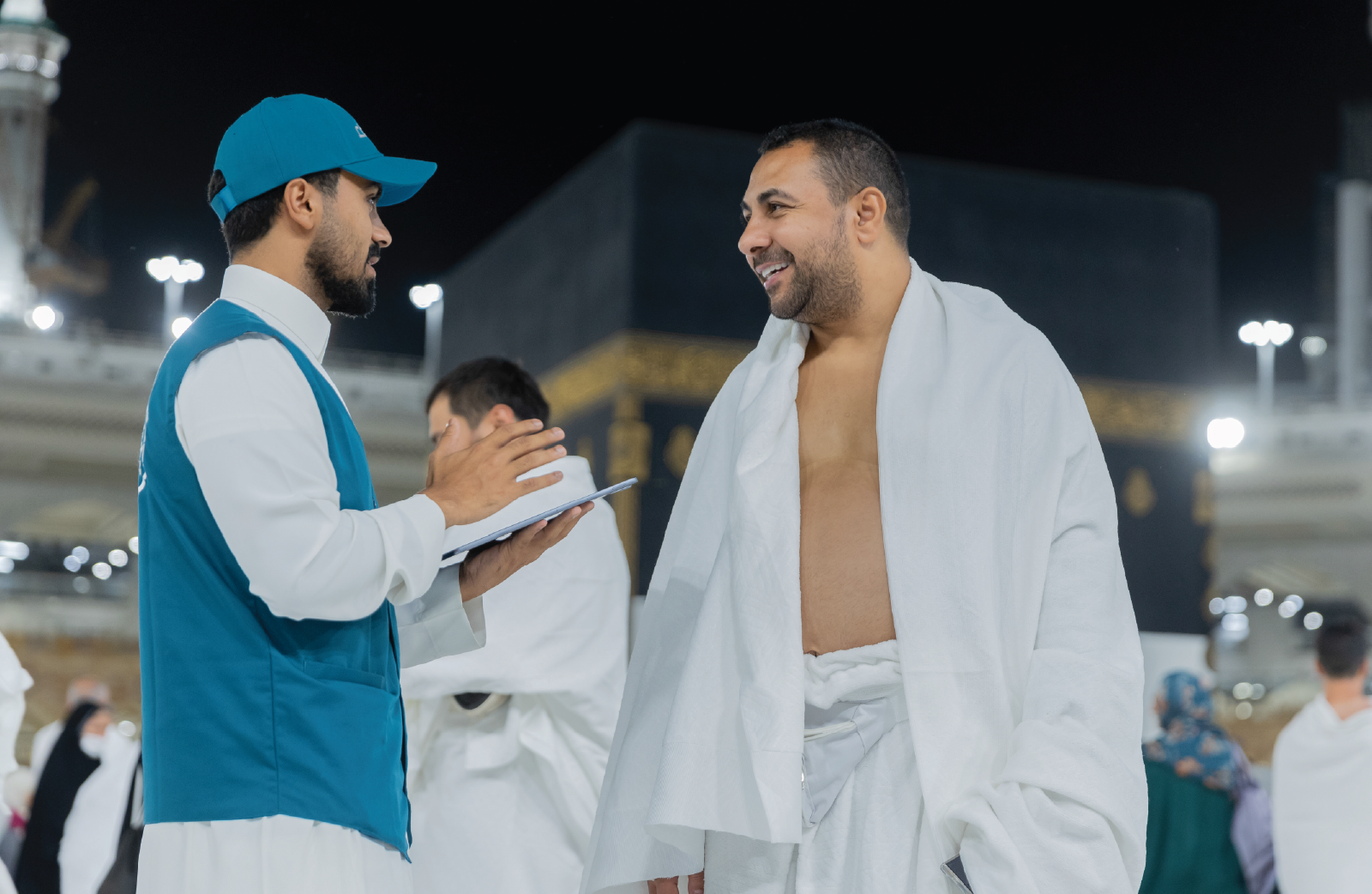
Adaa employs three primary tools: electronic surveys, field interviews, and the Simulated Pilgrim. Electronic surveys gather direct feedback from pilgrims on the services they received during their journey, while the Simulated Beneficiary tool evaluates the level of compliance of government entities with approved service-delivery standards.
The Center noted that the services measured span the entire Hajj journey, beginning with contracting and permit issuance, land travel and road quality, air transport, airports, and train services, followed by arrival at the Holy Mosques and performance of the Hajj rituals. The measurement also covers all supporting services such as transportation within the Holy Sites, healthcare, accommodation, hospitality, tourism, and logistics, along with crowd-management operations between the Holy Sites and the Grand Mosque, concluding with departure services by land and air. All measurement activities are conducted in collaboration with the relevant government entities participating in this year’s Hajj season.